
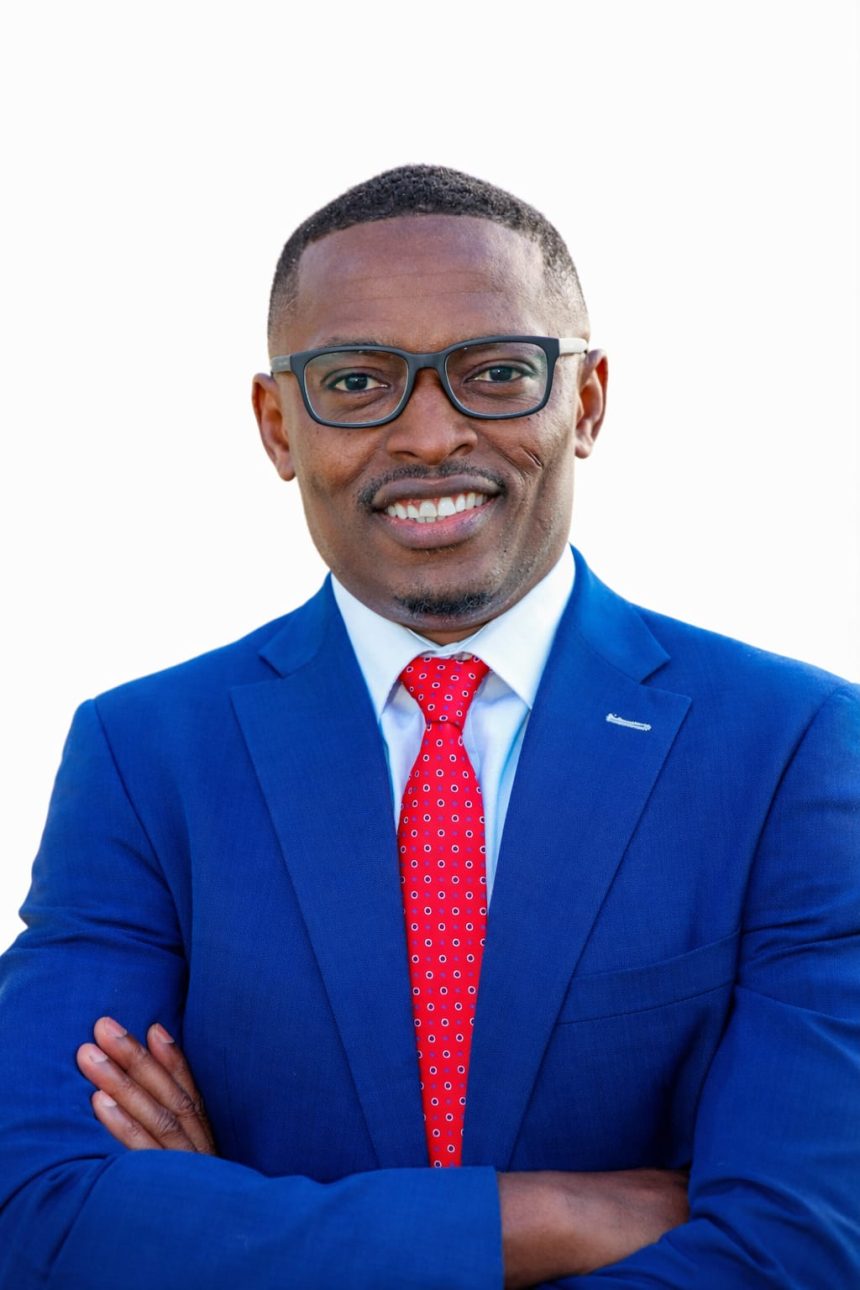
The governorship candidate of the African Democratic Congress (ADC) in Delta State for the 2027 election, Dr Emmanuel Usiwoghene Unuafe, has called for a fundamental redesign of the state’s economy and governance system as Delta marks its 35th anniversary.
Unuafe, in a statement commemorating the anniversary, said the milestone should serve not only as an occasion for celebration but also as a moment for reflection, accountability and renewed imagination about the future of the state.
According to him, while Delta State has recorded achievements in infrastructure, human capital development and institutional growth since its creation, the state’s abundant natural resources have not translated sufficiently into improved living standards for its people.
He said, “Natural resources alone have not translated into the quality of life that the people of Delta State deserve,” arguing that the state’s dependence on oil revenues must give way to a more diversified and sustainable economic model.
Unuafe said Delta’s fertile land, strategic location, energy resources and human capital provided the foundation for the state to develop agriculture, agro-processing, manufacturing, logistics, energy, technology, tourism and the creative economy.
He said the state must move from exporting raw materials to creating value locally, including transitioning from crop production to food processing and from waste disposal to waste-to-energy initiatives.
“A state blessed with fertile land should not depend excessively on imported food. A state with abundant energy resources should not have communities where reliable electricity remains a dream,” he said.
The ADC candidate also called for greater investment in infrastructure connecting the three senatorial districts, saying modern transportation networks would improve movement, facilitate trade and enable farmers to transport their produce to markets more efficiently.
On governance, Unuafe proposed greater digitalisation of government services to reduce bureaucracy, improve transparency and make public services more accessible to citizens.
He also advocated functional primary healthcare centres in every ward, describing healthcare as an investment in human capital rather than merely government expenditure.
According to him, young people should no longer be mobilised primarily as political crowds but should be deliberately developed as entrepreneurs, professionals, innovators, engineers, farmers, manufacturers and future leaders.
“If I have the privilege of serving as Governor of Delta State, I will not approach government as the management of an inherited system. I will approach it as the opportunity to redesign the system,” he said.
Unuafe said his proposed approach would be anchored on what he described as “Development by Design, Not by Accident,” with government serving as an enabler of economic opportunity rather than merely an administrator of public resources.
He further called for a new social contract between government, citizens and businesses, stressing the importance of transparency, accountability and predictable government policies.
He said citizens should be able to trust that their taxes and public resources were being used responsibly, while businesses should have confidence that government policies would remain predictable.
“Young people must be able to trust that merit and hard work can open doors. Communities must be able to trust that development will reach beyond the major cities,” he said.
The governorship hopeful said leadership should ultimately be assessed by measurable outcomes rather than intentions, promises or the number of projects announced.
“Not by how many promises we make, but by how many lives we transform. Not by how many projects we announce, but by how many projects we complete. Not by how much money government spends, but by the value citizens receive from every naira spent,” he said.
Unuafe described Delta State as being at a point where it could reinvent itself, citing its land, people, natural resources, strategic location, intellectual capacity and entrepreneurial spirit as assets capable of supporting a new development trajectory.
He said the state’s next 35 years should produce a Delta where infrastructure connects citizens to opportunities, young people can build their futures within the state, and natural resources are converted into sustainable economic development.
“The Delta State of the next 35 years should not merely be a richer state. It should be a better state,” he said.
Unuafe urged Deltans to see the state’s 35th anniversary as an opportunity to honour previous generations by building on their achievements and creating better opportunities for future generations.
“Our fathers and mothers gave us a state. Our responsibility is to give the next generation a better future,” he said.
He added that the ultimate goal should be to create a Delta State where every citizen, regardless of location, can have access to opportunities and confidently believe that there is a place for them in the state’s future.