
The Federal Government has described healthcare as critical economic infrastructure, stressing that investments in health are investments in Nigeria’s human capital, productivity and long-term economic growth.
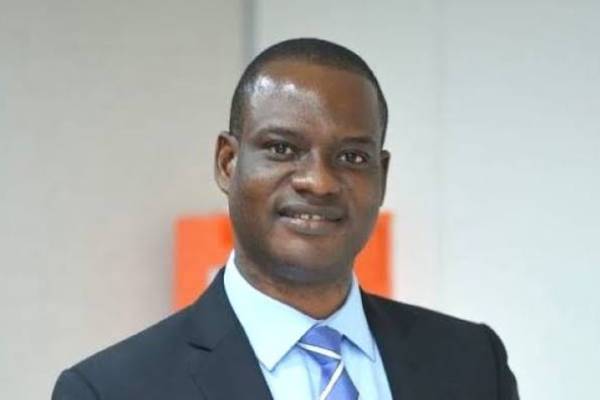
The Minister of Finance and Coordinating Minister of the Economy, Mr. Taiwo Oyedele, stated this on Monday at the commissioning of NSIA-MedServe Diagnostic Centres in Bauchi and Ibadan, as part of the nationwide expansion of specialised healthcare infrastructure under the NSIA Healthcare Expansion Programme.
Oyedele said the significance of the investments goes beyond the facilities themselves, noting that a healthy population is better positioned to work, learn and contribute productively to the economy, while illness imposes substantial costs on households through medical bills, lost income and depleted savings.
He said the projects also demonstrate how government can use public capital to mobilise private and development financing for critical infrastructure.
“Government budgets alone cannot meet Nigeria’s development needs. The question cannot only be how much government spends — it must also be how much private and development capital government can mobilise.”
The Minister commended the International Finance Corporation and the World Bank Group for their support to the programme, particularly through long-tenor, local-currency financing, which he described as appropriate for long-term assets whose revenues are earned in naira.
He said the model could be replicated across other priority sectors, including infrastructure, agriculture, energy and housing.
Oyedele noted that the NSIA’s earlier healthcare investments had demonstrated significant demand for specialised medical services, with the MedServe-LUTH Cancer Centre having treated more than 16,700 patients, delivering over 30,000 radiotherapy sessions and 25,000 chemotherapy treatments, while diagnostic centres in Kano and Umuahia had served more than 410,000 patients by December 2025.
He said MedServe is now developing 23 new diagnostic centres nationwide, including three with oncology units and three with cardiac catheterisation laboratories, across two phases.
The Minister said the expansion of diagnostic services would bring specialised healthcare closer to Nigerians and reduce the need for patients to travel long distances or seek treatment abroad.
He also linked the investments to the Federal Government’s broader objective of reducing medical tourism and retaining more economic value within Nigeria.
“Every procedure performed at home keeps value, jobs and expertise in our economy and eases pressure on foreign exchange,” he said.
The Minister stressed that Nigeria’s ambition should extend beyond reducing outbound medical tourism to building a competitive healthcare economy capable of serving patients within Nigeria and across Africa.
He, however, emphasised that sustainable healthcare delivery requires more than buildings and equipment, highlighting the need to retain and continuously develop doctors, nurses, radiographers, laboratory scientists, technicians and other specialised healthcare professionals.
He further called for the development of domestic capacity in medical technology, equipment maintenance and pharmaceuticals to deepen Nigeria’s participation across the healthcare value chain.
According to Oyedele, the success of the investments should ultimately be measured by outcomes—not simply by the commissioning of facilities.
“The real test is whether the equipment still works in ten years, whether we retain qualified staff, and whether patients are treated with dignity, diagnosed earlier and able to afford the care they receive.”
The Minister said the investments reflect the broader objective of the Federal Government’s economic reforms, which seek to translate macroeconomic stability into productive investment, improved public services and better living standards.
“Macroeconomic stability is not the destination — it is the foundation. We are converting stability into investment, investment into services, and growth into better lives.”
He congratulated the NSIA and MedServe teams, the Federal Ministry of Health and Social Welfare, the Bauchi and Oyo State Governments, Abubakar Tafawa Balewa University Teaching Hospital, the relevant healthcare institutions in Ibadan, the IFC and other partners for delivering the projects.
The Federal Government reaffirmed its commitment to partnerships that mobilise capital, strengthen critical infrastructure and translate economic reforms into measurable improvements in the lives of Nigerians.
Mary-Ann Duke Okon
SSA Communications & Press Secretary to the Honorable Minister Of finance And Coordinating Minister Of the Economy.