

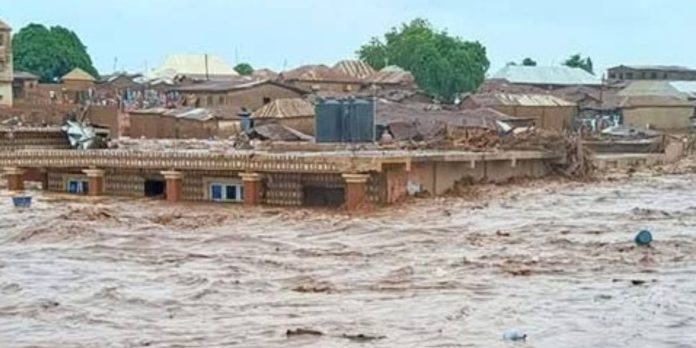
The Grassroots Development Monitoring and Advocacy Centre (GDMAC) has expressed support for survivors of the recent May 28, 2025, catastrophic floods that devastated the Mokwa community in Niger State.
The disaster claimed scores of lives, with many individuals still unaccounted for. Over 3,000 homes have been destroyed, and critical infrastructure, including roads and bridges, has sustained extensive damage.
The calamity has spurred urgent investigations into its root causes and the measures necessary to prevent future flooding events.
GDMAC, in a statement issued by its Executive Director, Tunde Salman Jimoh, urged all appropriate authorities to provide immediate relief materials to the victims, development of flood-resilient infrastructures such as drainage systems and measures to address the root causes to prevent future flooding events.
“This is important because this particular flooding incidence was reportedly triggered by a combination of natural phenomena and human-induced factors”, he said.
“The intensity of the rainfall exceeded the drainage capacity of the state; however, the failure of the nearby dam exacerbated the situation drastically. The dam’s collapse released a vast volume of water into residential areas without prior warning.
” Mokwa’s geo-positioning adjacent to the River Niger and downstream of major dams such as Jebba and Kainji increases its vulnerability to such inundation events, particularly during periods of extreme rainfall and inadequate dam management.
Jimoh noted that environmental degradation has further intensified the flooding risk, saying deforestation and poor land-use practices have significantly reduced the land’s natural capacity to absorb rainfall, leading to increased surface runoff.
“The depletion of vegetation cover for firewood, agriculture, and unregulated urban expansion has undermined the land’s ability to manage and mitigate rainfall absorption, thereby elevating the likelihood of flooding incidents,” the statement said. “Mokwa is representative of a broader pattern of vulnerability observed across Niger State and much of Nigeria.”
According to GDMAC, infrastructural shortcomings have also played a critical role in amplifying the scale of the disaster as numerous drainage channels in Mokwa have been inadequately constructed, poorly maintained, or completely obstructed.
” Existing drainage systems, where they exist, are insufficient to cope with the runoff generated by the storm,” the group said. “Community feedback indicates a history of neglect and incomplete drainage projects, some of which have become hazards themselves. The lack of investment and maintenance in flood mitigation infrastructure represents a systemic failure contributing to the fatalities and destruction witnessed.”
In the wake of the disaster, emergency response teams have been actively engaged in rescuing trapped residents, recovering bodies, and delivering essential services.
The Niger State Emergency Management Agency (NSEMA), in collaboration with the National Emergency Management Agency (NEMA), has mobilized resources to provide emergency shelters, food, and medical assistance.
Additionally, local organizations and volunteers have come together to support relief efforts. Despite these commendable initiatives, many survivors face on-going challenges, including a lack of housing, access to potable water, and long-term rehabilitation solutions.
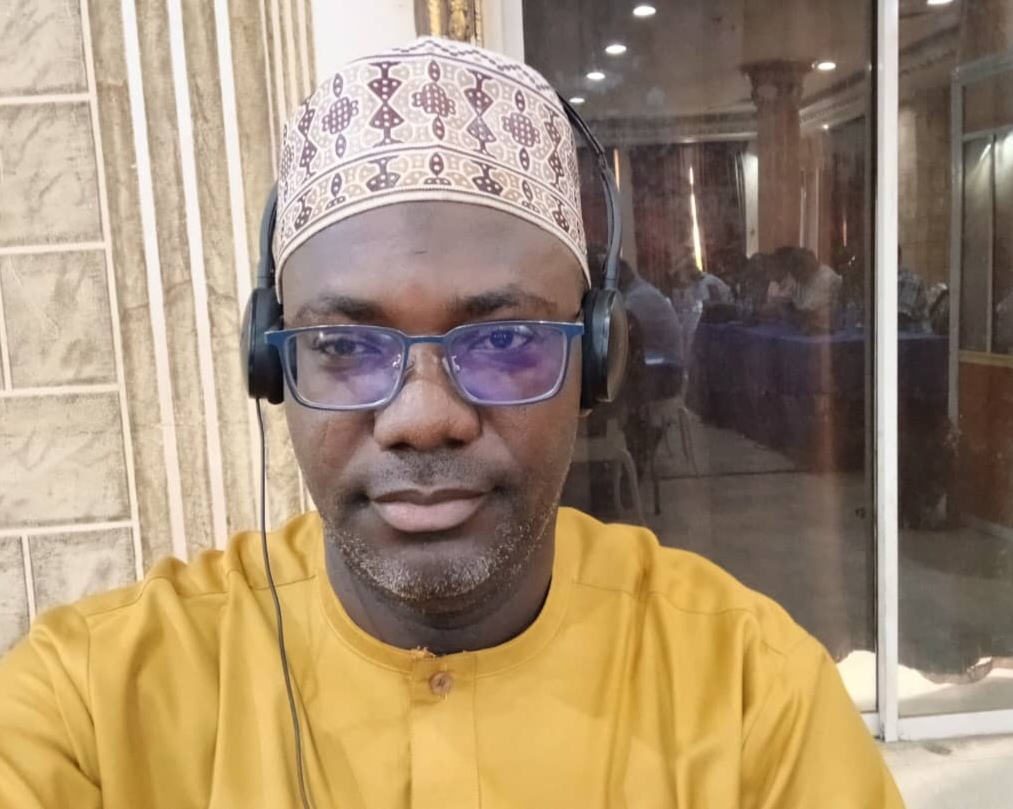
*Jimoh, Executive Director of GDMAC
“To mitigate the risk of future disasters, it is critical to immediately implement lessons learned from this flooding event. Establishing a comprehensive early warning system is paramount,” Jimoh said. “Enhanced meteorological monitoring, coupled with real-time communication strategies, can effectively alert residents to impending flooding threats, providing them with the opportunity to relocate to safer areas and potentially save lives.
” Furthermore, it is essential for governmental bodies at all levels to prioritize the development of flood-resilient infrastructure. Drainage systems must be engineered, constructed, and maintained to the highest standards.
” There must be a substantive investment in the creation of embankments, levees, and flood barriers in high-risk areas like Mokwa in Niger state. These initiatives should undergo rigorous oversight to ensure accountability and to prevent issues related to abandonment and corruption.”
The group also stated that a comprehensive environmental restoration strategy must be executed. It said the NNPC Green Economy Initiative, which aims to plant over 135 million trees across 100,000 hectares, needs to be supported, expanded, and aligned with community engagement initiatives.
“Stringent regulations governing dam operations are equally critical,” he said. “Authorities managing the Kainji, Jebba, and other dams must adhere to operational protocols that consider the downstream capacity of affected communities. Implementing coordinated water release schedules, with advanced communication to residents and local governments, can mitigate the risks associated with sudden discharges of water that lead to flooding disasters.
The organisation also emphasised the importance of community education in enhancing preparedness. Residents must be informed about flood risks, response strategies, and best practices for living in vulnerable areas to empower them in disaster management and enhance overall community resilience.
“To mitigate the risk of future disasters, it is critical to immediately implement lessons learned from this flooding event,” the group said. “Establishing a comprehensive early warning system is paramount. Enhanced meteorological monitoring, coupled with real-time communication strategies, can effectively alert residents to impending flooding threats, providing them with the opportunity to relocate to safer areas and potentially save lives.
Furthermore, it is essential for governmental bodies at all levels to prioritize the development of flood-resilient infrastructure.
“Drainage systems must be engineered, constructed, and maintained to the highest standards. There must be a substantive investment in the creation of embankments, levees, and flood barriers in high-risk areas like Mokwa in Niger state. These initiatives should undergo rigorous oversight to ensure accountability and to prevent issues related to abandonment and corruption.”